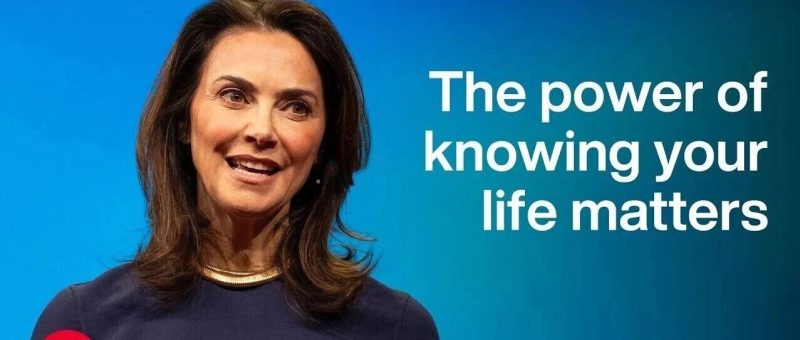


演讲题目:
Why We Need to Know Our Lives Matter
演讲者:
双语阅读
When we think about the most meaningful jobs in the world, firefighters are among the top of the list, right? While most of us run from danger, they run straight into it, risking their lives to save ours. The impact of their work is undeniable.
当我们想到世界上最有意义的工作时,消防员肯定名列前茅,对吧?大多数人面对危险会选择逃跑,但他们却迎向危险,冒着生命危险拯救我们。他们工作的影响力无可否认。
At least that's what I had always assumed, until I met a firefighter named Greg, who told me that even firefighters can struggle to see the impact of their work. "Really? How? How can that be?" I remember asking Greg. And he explained with a story.
至少我一直这么认为,直到我遇到一位名叫克雷格的消防员。他告诉我,连消防员有时也会感觉不到自己工作的影响力。「真的?怎么会?怎么会这样?」我记得我当时问克雷格。然后他用一个故事跟我说明。
When he was a rookie, he and his crew were called to a horrific car wreck. A woman was trapped inside. Her legs were pinned under the twisted steel.
当他还是新手时,跟着队友出勤到一场严重的车祸现场。一名女子被困在里面,双腿被扭曲的钢筋压在车底。
Greg's training took over. He looked for an opening and he found a jagged opening. Slid through to put his heavy bunker coat around the woman to shield her from the glass as they worked to rescue her.
训练有素的克雷格发挥了作用。他努力寻找破口,最后找到了一个锯齿状的开口。克雷格滑过去,用他厚厚的防护外套裹住那名女子,帮她挡住玻璃碎片,同时开始救援。
Greg promised he would stay by her side and they would get her out, and they did. But here is the part of Greg's story that stuck with me. After that intense experience, Greg would never know what happened next.
克雷格答应他会待在她身边,直到把她救出去,最后他们也确实做到了。但克雷格的故事令我印象最深刻的一部分是:在那次惊险的经历之后,克雷格完全不知道后来发生了什么事。
Did the woman survive? Did she ever walk again? Did their efforts that night make any difference?
那名女子活下来了吗?她还能再走路吗?当晚他们的努力有带来什么改变吗?
It surprised me to learn that firefighters rarely hear about the outcomes of their rescues. Over time, that lack of closure can erode morale, fuel burnout, even cynicism. So years later, when Greg became fire chief, he created a system to change that.
令我惊讶的是,原来消防员很少知道他们救援的最终结果。久而久之,这种缺乏「结局」的感受会打击士气,甚至导致倦怠,愤世嫉俗的态度。因此,多年后,克雷格当上消防局长,他建立了一个系统来改变这个状况。
He tracked the outcomes of rescues because he wanted his firefighters to know when their efforts had saved a life or eased someone's suffering, because Greg knew something vital: It is not enough to do important
work. We need to know our work makes a difference. We need to know we matter.
他追踪救援结果,因为他想让消防员知道他们的努力挽救了一条生命,或者减轻了某人的痛苦,因为克雷格明白一个重要的道理:光是做重要的工作是不够的。我们需要知道我们的工作有影响。我们需要知道我们很重要。
I'm a journalist, and for the past six years, I've interviewed hundreds of people around the world like Greg, asking them a question. Do you feel like you matter? For too many, the answer was no.
我是一名记者,在过去六年里,我采访了世界各地数百名像克雷格这样的人,并问他们一个问题:你觉得自己重要吗?对很多人来说,答案是否定的。
A doctor I interviewed described feeling powerless now that insurance companies were denying her patients the care they needed. A college student described feeling like she only mattered when her GPA was high
and her weight was low. An elderly man described feeling like he mattered less this way.
我采访过的一位医生说,保险公司拒绝为她的病人提供所需的医疗服务,让她感到无力。一位大学生说,她觉得只有在学业成绩高、体重轻的时候,自己才算有价值。一位老人说,他觉得自己老了,变得没那么重要。
He said, the hardest part of aging is that people stop relying on you. What these stories and the scientific research make clear is that to thrive in life, we need to know we matter. That is, to feel valued and to have an opportunity to add value to the world.
他说,变老最难受的部分是别人不再依赖你了。这些故事和相关科学研究清楚地指出,要想在生活中茁壮成长,我们需要知道自己很重要。也就是说,感受到被重视,有机会为世界增添价值。
When we feel like we matter, we show up fully. We want to connect. We want to engage. We want to contribute.
当我们觉得自己重要时,我们就会全力以赴。我们会想与人联系,想要参与,希望有所贡献。
But when we are made to feel like we don't matter, we often withdraw. Some of us might turn to substances or self-harm to try to alleviate that pain. Others lash out in anger.
但当我们觉得自己不重要时,我们往往会退缩。也许有些人会藉助药物或自残来缓解这种痛苦。另一些人则会愤怒地发泄。
Road rage, online attacks, political extremes. These are all desperate attempts to say, "I'll show you I matter." And this is about to get worse. As AI erases jobs that once gave people a sense of identity and purpose, millions more will face this crisis of mattering.
路怒症、网络攻击、极端政治立场,这些其实都是绝望的吶喊:「我要证明我很重要。」而且这种情况还会变得更糟糕。随着AI取代那些曾经赋予人们身分认同和使命感的工作,数百万人将面临这场「重要感危机」。
The job ahead for us is not just to keep up with machines. It's to protect what it means to be human. To feel valued, and the responsibility we have to remind others that they are valued too.
我们未来的挑战,不只是要跟上机器的步伐,而是要守护人性的意义。感受到被重视,并肩负起责任,提醒他人:他们也同样被重视。
In my research, I found that the places where we live and work can either fuel this crisis or be a key to solving it. I visited a factory in Phillips, Wisconsin, where each workstation had a card that talked about how the piece being made fit into the final product. On that card was a photo and a story of the person who would one day use it.
在我的研究中,我发现,我们生活和工作的环境既可能助长这场危机,也可能是解决的关键。我参观了一间在威斯康辛州菲利普市的工厂,每个工作站上都有一张卡片,上面写着正在生产的零件如何组成最终产品。还有将来使用者的照片与故事。
That story card was a powerful reminder to workers that they weren't just assembling parts, they were building something meaningful. Mattering at work is not some soft, squishy, nice-to-have idea. It's actually good business.
这种故事卡对工人来说是强大的提醒,他们不只是组装零件,他们正在构建一些有意义的东西。在工作中体现自己的「重要感」并不是什么柔软、黏糊糊、锦上添花的想法。它实际上对业务有助益。
When employees know they matter, they work harder, they stay more loyal and they bring more energy to their roles. To matter, we need to feel valued, but we also need a chance to add value. And in my research, I uncovered a formula for doing this.
当员工知道自己很重要时,他们会更努力工作,更忠诚,并为自己的工作注入更多活力。要感到重要,我们需要被重视,但也需要有机会发挥价值。在我的研究中,我发现了一个实现这一点的公式。
Identify a need in the world, or in your community or in your neighborhood, and then use your strengths, your resources, your talents to meet it. I interviewed a woman named Julie outside of Boston who discovered this for herself firsthand. For two years, Julie was her mother's full-time caregiver.
找出世界上、你的社区或邻里的一个需求,然后运用你的优势、资源和才能去解决。我曾在波士顿郊区访问一位叫朱莉的女性,她亲身体验了这一点。朱莉曾全职照顾她的母亲两年。
When her mother passed away, Julie described feeling unmoored, purposeless. But instead of retreating inward in her pain, Julie had the courage to look outward for a new way to matter. And when she did, she noticed two needs in her community.
母亲过世后,朱莉感到无依无靠,毫无目标。但朱莉并没有因为痛苦而退缩,她勇敢地向外寻求新的出路。当她这样做时,她注意到社区里有两种需求。
Grieving families like hers who were struggling with what to do with their loved ones' belongings. And other families who were rebuilding after a fire or experiencing homelessness. So Julie connected the two.
像她这样失去亲人的家庭,不知道如何处理亲人的遗物。另一边则是一些家庭,正在经历火灾后的重建,或正在经历无家可归的困境。于是朱莉把这两种家庭连结起来。
With a friend, she started to collect gently used home goods and deliver them to people who could use them. That simple act of care has transformed thousands of lives, including Julie's. All of us here will go
through painful life transitions, the loss of a loved one, an illness, maybe an empty nest, even retirement.
她和一位朋友开始收集二手家居用品,送给有需要的人们。这样一个简单的善举改变了几千人的生活,包括朱莉自己。我们每个人都会经历痛苦的人生转折,失去亲人、疾病缠身、也许空巢,甚至退休。
These transitions can shake our sense of mattering to its core. But like Julie, we have an opportunity, even a responsibility, to make ourselves useful again. The way back can start small, checking in on a neighbor or appreciating out loud a colleague who's always so kind and supportive.
这些转变会彻底动摇我们对自身价值的认知。但就像朱莉一样,我们也有机会,甚至是有责任,让自己再次变得有用。重新找回意义的方式可以从小事做起,例如问候邻居,或大声感谢那些总是如此友善和体贴的同事。
What you will find is that the fastest way to feel like you matter again is to remind someone else why they do. Now at this point, some of you may be thinking, the problem isn't that I don't matter. It's that I matter too much.
你会发现,最快让自己重新感受到「重要」的方法,就是提醒别人为什么他们这么重要。此刻,在座可能有些人会想,我的问题不是「我不重要」,而是「我太重要了」。
At home, at work. What you wouldn't give to matter just a little bit less. Am I right?
在家里,在工作上。要是能少被看重一点就好了,什么都愿意拿来换。我说对了吗?
Well, this too can be thought of as a crisis of mattering. True mattering is not about stretching ourselves to the breaking point. It's about balance.
嗯,这也可以被认为是一场「重要感危机」。真正的重要感并非将自己逼到极限,而是关乎平衡。
Balancing our own needs with the needs of others. For years, I have personally struggled to find this elusive balance. And then I read a study conducted at the Mayo Clinic that showed me how.
平衡自身的需求和他人的需求。多年来,我一直在努力寻找这种难以捉摸的平衡。后来我读到梅奥诊所的一项研究,告诉我如何做到这一点。
Researchers there were testing a simple intervention to strengthen resilience. They recruited a group of medical professionals and they had them meet for one hour a week to share their struggles and to support one another. After three months, the researchers found significant improvements in these participants' mental health and well-being.
梅奥诊所的研究人员当时正在测试一种简单的干预措施,以增强韧性。他们招募了一群医疗专业人士,让他们每周聚会一小时,分享各自的困境,并互相支持。三个月后,研究人员发现这些参与者的心理健康和幸福感都得到了显著改善,
Their cortisol levels, the stress hormone, had dropped. These women also reported feeling like better parents. Why?
压力荷尔蒙(皮质醇)下降。这些女性也表示感觉自己成为了更好的父母。为什么?
Because as caregivers, when we are surrounded by a strong network of support, we've become more resilient, and that resilience ripples out to our kids. This is not an isolated finding. Decades of resilience research
find that a child's resilience is rooted in the resilience of the adults in their lives, and adult resilience is rooted on the depth and support of our relationships.
因为身为照顾者,当我们被强大的支持网络所包围时,我们会变得更有韧性,而这种韧性会传递给我们的孩子。这并不是一个孤立的发现。数十年的韧性研究发现,孩子的韧性植根于他们身边成年人的韧性,而成年人的韧性则植根于人际关系的深度和支持。作为照顾者,我们常被告诫「先戴上自己的氧气罩」。
Now as caregivers, we're often told, put your oxygen mask on first. But this research revealed something deeper to me. Friends are the oxygen.
但这项研究让我发现了更深层的东西。朋友就是氧气。
We need one or two or three people in our lives who know us intimately, who can see when we are struggling, and who will reach over and put that oxygen mask on for us. That is a very different level of support than
we normalize in our busy culture today. But here's how I've come to look at it.
生活中,我们需要一两个、甚至三个知心好友,能够看出我们遇到困难,并愿意伸出援手,为我们戴上氧气面罩。这种支持比当今繁忙文化中我们习以为常的支持更加深刻。而我现在的看法是:
When I don't reach out for help, not only do I deny myself the support I need, I also deny my friend the chance of being a helper, of feeling needed, like she matters to me. So the next time you hesitate, I hope you'll remember this. Asking for help isn't weak.
如果我不主动寻求帮助,不仅剥夺了自己获得所需支援的机会,也剥夺了我朋友成为助人者的机会,感受到她被需要、感受到她对我很重要。所以下次你犹豫的时候,我希望你能记住这一点。寻求帮助并非软弱,
It is an act of generosity. Now to matter, it is a very personal experience, but it's also relational. And it has the power to connect our disconnected world.
而是一种慷慨的表现。「重要感」是一种非常个人化的体验,但也关乎人际关系。它能把这个疏离的世界重新连结起来。
A wonderful example of this is taking place at the Dutch supermarket chain Jumbo, where they have instituted slow checkout lanes where the cashiers take extra time to chat, especially with elderly customers.
Amazing, right? This simple fix for loneliness has now been rolled out in nearly 200 locations.
一个很棒的例子来自荷兰的珍宝连锁超市,他们设立了慢速结帐通道,收银员会花多点时间与顾客聊天,尤其是与年长顾客。很神奇,是吧?这个简单的孤独解决方案现在已经推广到近两百家门市了。
The lesson for us? We don't need to build new spaces to unlock each other's mattering. We just need to be more intentional about the spaces we already have.
这提醒我们:我们不必建造新的空间来释放彼此的重要感。我们只须更用心地利用现有的空间。
Once you see the world through the lens of mattering, you can't unsee it. It may even start to feel like a responsibility. It has for me.
一旦你用「重要感」的视角看待世界,你再也不能视而不见。对我来说,这甚至变成了一种责任。
It has changed how I show up now for my family, my friends, my colleagues, even strangers I meet on the street. Affirming each other's worth, it's not just the right thing to do, it is the glue that holds a healthy society together. And we need this now more than ever.
它改变了我对待家人、朋友、同事,甚至街头陌生人的方式。肯定彼此的价值,这不仅是正确的事,更是维系健康社会的黏合剂。我们现在比以往任何时候都更需要它。
What I have learned in these hundreds of conversations is this. That deep down, we are all searching for the same thing. To know who we are and what we do, make a difference in this world.
我从数百次对话中学到的是,在内心深处,我们都在追寻同一件事:我们想要了解自己是谁,能做些什么,为这个世界带来改变。
We want to know that our lives, our very existence, matters. Thank you.
我们都渴望知道,我们的生命,我们的存在本身,是重要的。谢谢聆听。
上划查看完整文档
来源:www.ted.com
转发编辑 | 刘靖茹
初审 | 吴坤
终审 | 张玫
<原文链接:https://mp.weixin.qq.com/s/WzvAHDZeikWsip75VOq_Sg




暂无评论内容